
Our team offers a comprehensive range of expertise tailored to help you achieve your goals.
Plus a wide network of creative, digital and scientific experts that can support with multifaceted objectives.
Let us guide you through today's complex business landscape with creativity and precision.
Work with us“So that’s the basics covered; seems like you’ve got it. We’re always here to answer any questions you have, but we trust you to give it a go and if there’s something that can be improved, we’ll let you know.”
Cue internal panic.
As someone from an editing background, who quite literally had a list of rules to follow to quantify how good of a job they were doing, this was a terrifying thing to hear in my first week in a new career.
How I got here
I had wanted to move into operations for a while. I’d always enjoyed talking to people, organising things, and working on projects rather than standalone jobs, which editing didn’t really allow for in med comms. I'd also been following Camino on LinkedIn and thought it looked like a hell of a lot of fun.
So when the Operations Manager role came up, I jumped at it, hoping my previous experience and knowledge of the industry would be enough to get me in. Thankfully, Jess and James took a punt on me.
The brief
I was Camino's 15th hire (we'll be 36 by July 🫨), and it was very clear to me that this was a company built on brilliant people, strong values and culture, and processes that worked really well for them at the time. But part of that was the kind of institutional knowledge that lives entirely in specific people's heads. You know the kind. "How do we do X?" "Oh, just ask [person].”
What Jess and James wanted me to think about was how we scaled up and built processes that would still work at 50 people. The kind that don't fall apart when someone goes on holiday.
It quickly became apparent that the brief was:
- write up the stuff that currently lives in our heads
- make sure we’re building process around what works for the people, not just the company
- ensure we’re being responsible employers, and rewarding people generously
- but do not, under ANY circumstances, turn us into a boring company with no sparkle
Scaling with purpose
The Camino management style was clear from the start: trust and transparency, providing opportunities for development, and genuinely caring about people as humans. That showed up everywhere, in how decisions were made, how feedback was given, how people were supported and recognised. (We get HOW MUCH social budget?!).
My job wasn’t to replace that with process, but to build process around it. To take what already worked and make it clearer, more consistent, and scalable as we grew, making sure we didn’t lose what made Camino, Camino.
So once I understood the values and the culture that Jess and James wanted to maintain, the ops bit was actually fairly manageable. With a bit of common sense, along with help from AI (GPT, what is group life assurance? Claude, does this fall within IR35??) and external consultants, I’ve learned a whole lot in the past 18 months. And it goes without saying that James and Jess, who between them have built and worked in enough businesses to have strong opinions about most things, were fantastic leaders.
Ops... the Camino way
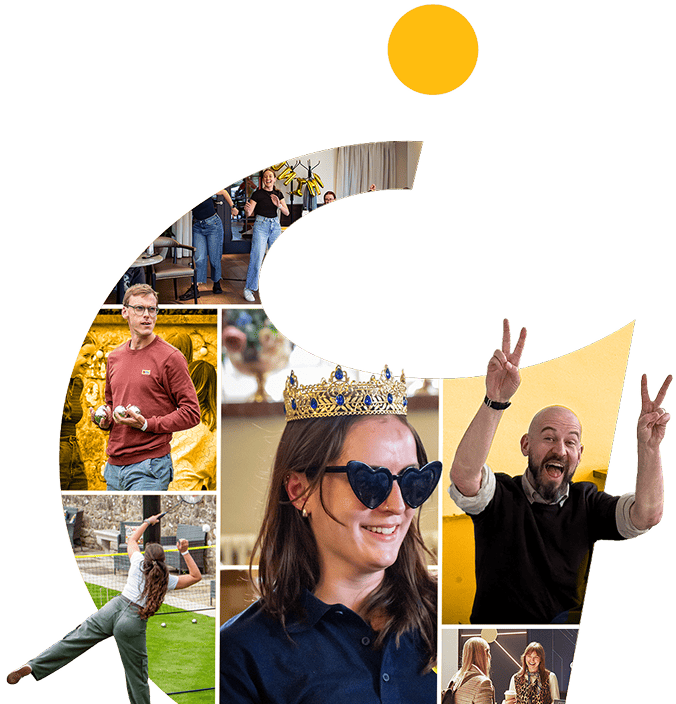
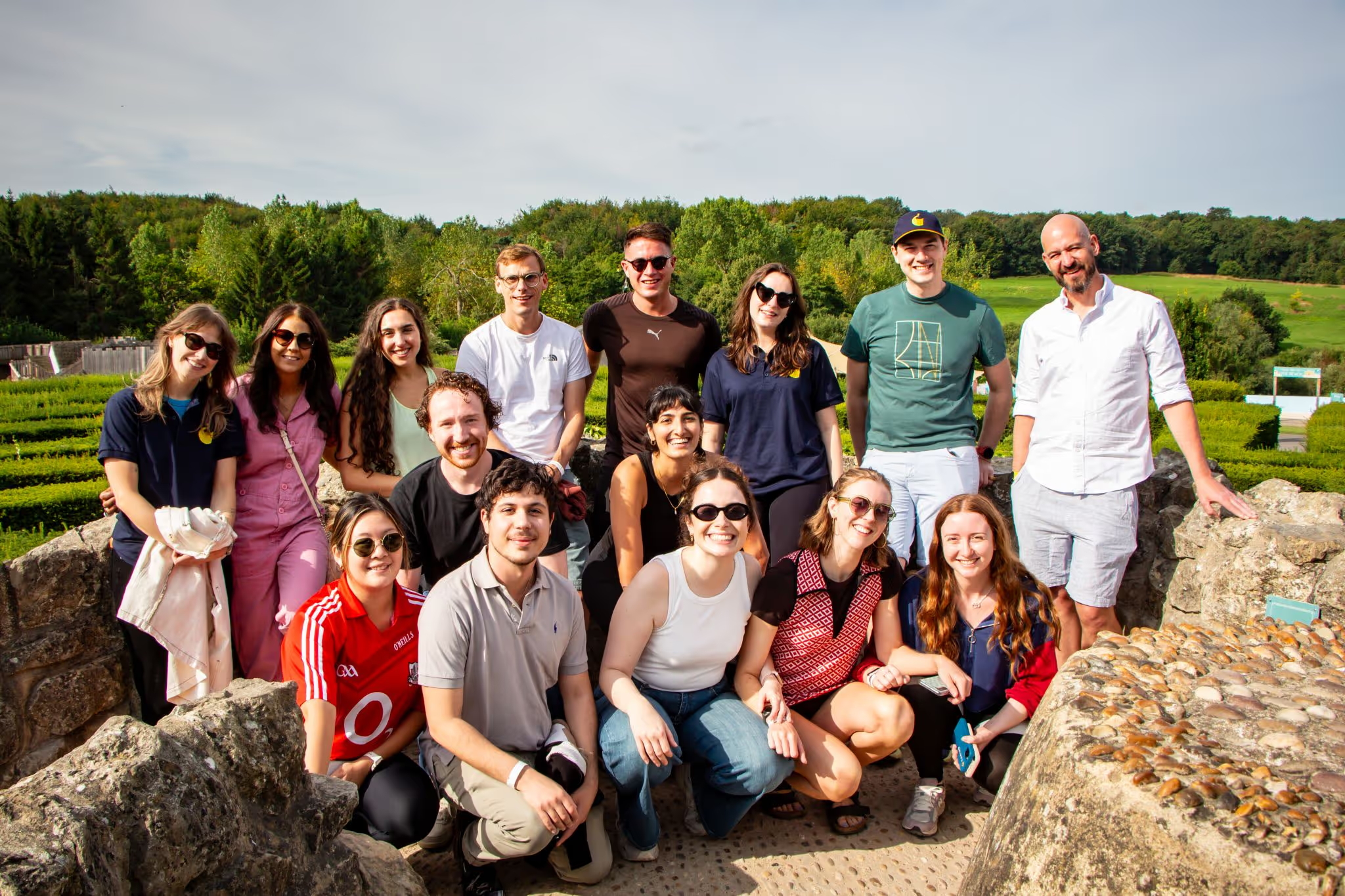
I like the traditionally ‘boring’ parts of ops. I enjoy finding missing receipts, chasing invoices, creating SharePoint SOPs, tidying up a Notion page… But my favourite part of the job is thinking about staff wellbeing. Yes, sometimes this means playing murder mystery in castles and guessing people's shoe sizes for their Camino Christmas socks (what’s not to love). But it also means benefits reviews, recognition schemes, and making sure the things the exec care about don't just stay as good intentions.
And this is where the exec approach makes all the difference. It typically goes:
"Guys, I think the team would really value X. Here's my research and my rationale."
"Looks good – maybe think about Y. Otherwise, green lighted to launch whenever you're ready."
That kind of trust was completely new to me, coming from large companies with layers of bureaucracy. It made me feel like I could take ownership, be proactive, and actually shape something. What Camino gave me wasn't sink or swim – it was "here's the pool, here are some armbands, and we'll be on the side if you need us."
Camino for Good
I say all this because this approach forms some of the context behind our first Camino for Good impact report, which we published last week.
It would be easy to read it as a list of things we've done. But what it really reflects is a consistent set of decisions made by people who believe that how you treat your team is inseparable from the quality of work they produce.
I can see that in my own experience. I was hired without a formal ops background. I was given autonomy, direction, and space to learn. I've grown into a role that as well as systems and processes now covers a bit of HR, recruitment, finance, event planning, marketing, and anything else the team needs that day.
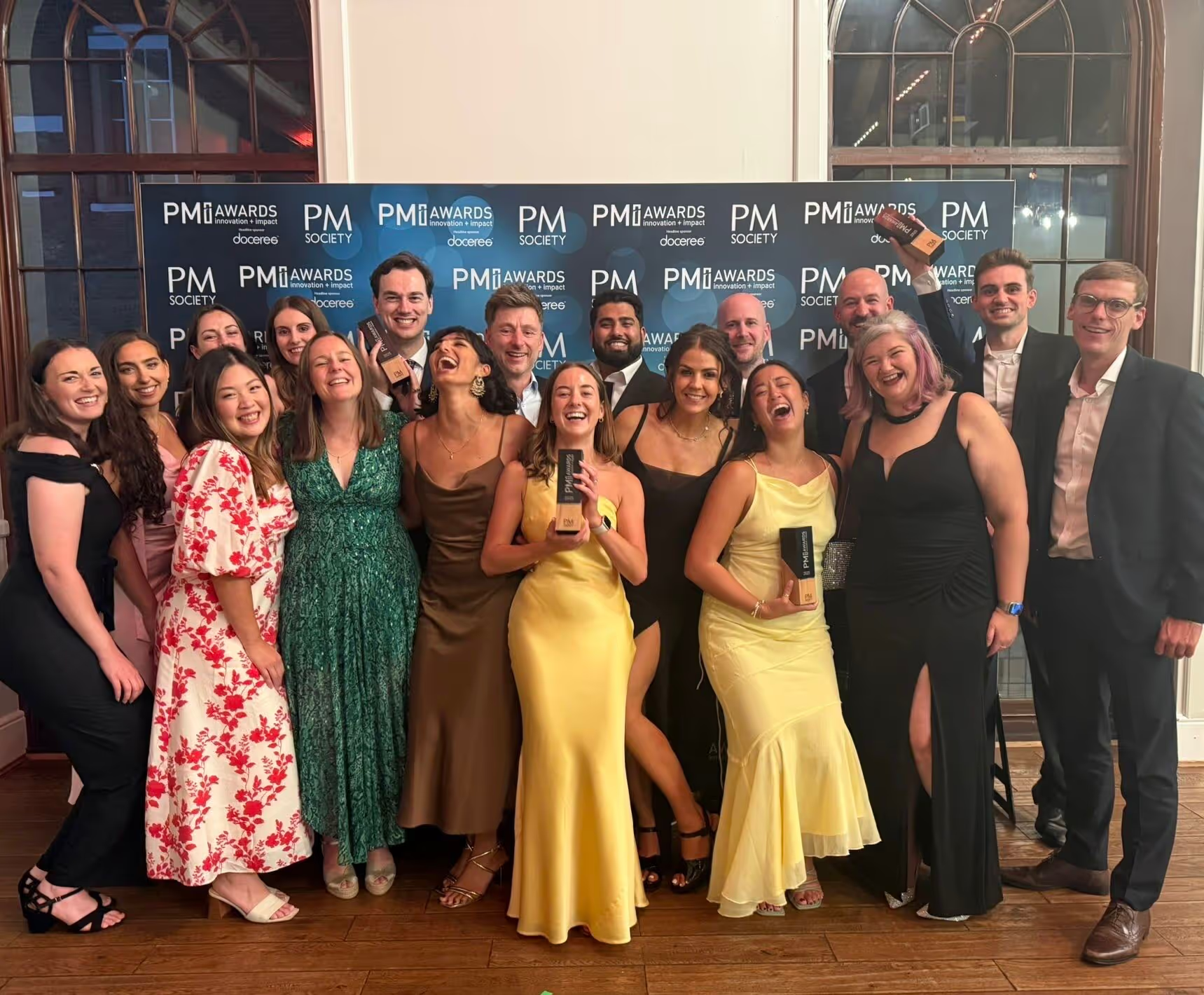
And the business has grown too – in headcount, in clients, in therapy areas covered, in awards won. And I think our culture has a lot to do with that. When people feel trusted, they take ownership. When they feel appreciated, they go further. When there's genuine transparency – about decisions, about what's working, about where things can be better – the whole team moves in the same direction and works to improve it together.
The report is honest about what we've achieved, what we're proud of, and where we know we can still do more. I’d recommend giving it a read if you’re at all nosy about what we’re up to at Camino 👀
And if you have any feedback or suggestions for us, please do drop me a message!
Read the Camino for Good impact report for 2025 to find out more about how we're building Camino – for the team, the industry and beyond.











.jpg)
.jpg)
.jpg)